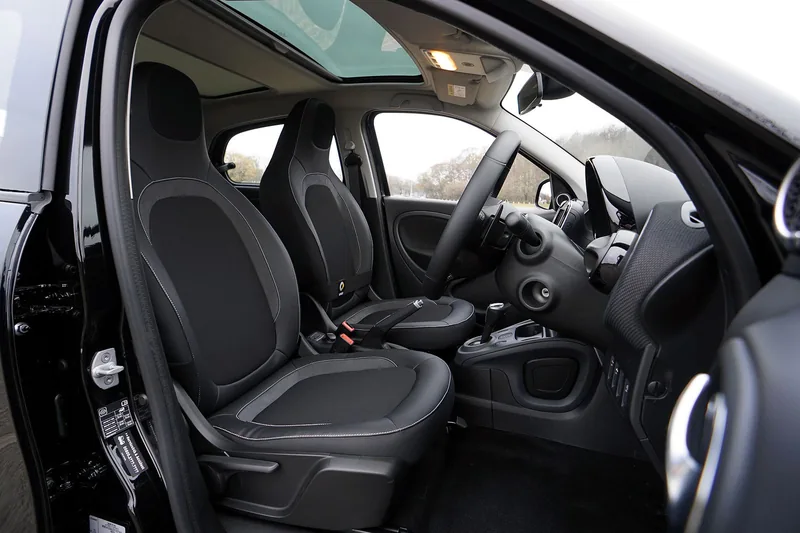
Vehicle Biohazard Cleanup
Vehicle biohazard cleanup for cars, trucks, boats and RVs.
See vehicle biohazard cleanupGet blood, bodily fluids and infectious material cleaned from police cars, ambulances and transport units in Woodlawn. Vehicle-specific decontamination addresses seats, floors, restraints, equipment contact points, waste, odor and air quality.
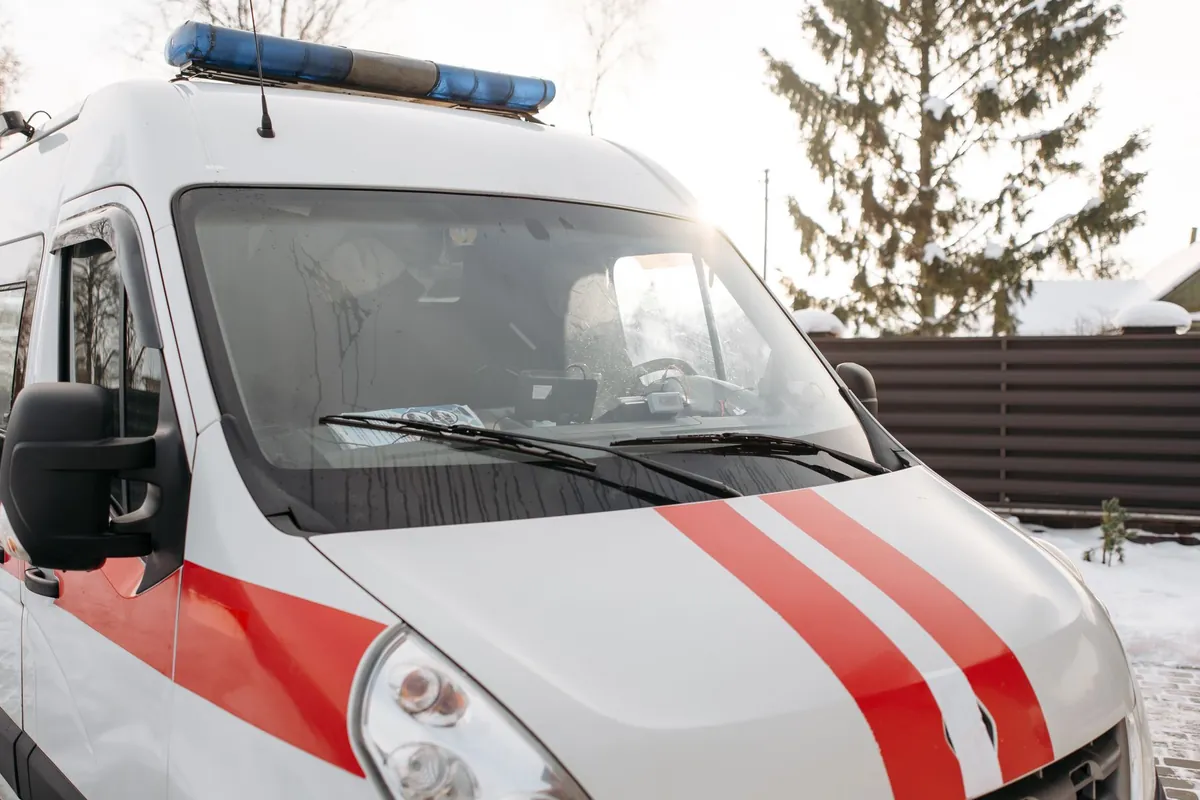
Police and ambulance vehicle decontamination removes bodily fluids, blood, infectious material and related residue under controlled conditions. In patrol cars, transport units and ambulances, the work also includes surface cleaning, disinfection, packaging of waste and a final check.
Visible staining may show only part of the affected area. As equipment is moved or someone passes through the cabin, contamination can spread into restraints, ventilation openings, seat rails, partitions, medical mounts, radios and tight seams. Those features make emergency units difficult to clean. Unlike ordinary detailing, which is concerned with appearance, biohazard remediation traces the material and checks hidden contact points as well as residue you can see.
First, the vehicle is examined based on its particular layout. Cleanable hard surfaces are separated from absorbent trim, and equipment that calls for special care is identified. A contaminated component may be removed when its affected area cannot be reached and disinfected. Other surfaces receive cleaning before disinfection. Hazardous waste is packaged in line with hazardous materials rules, and the work can be documented from assessment through the final stage for fleet, insurance and risk records.
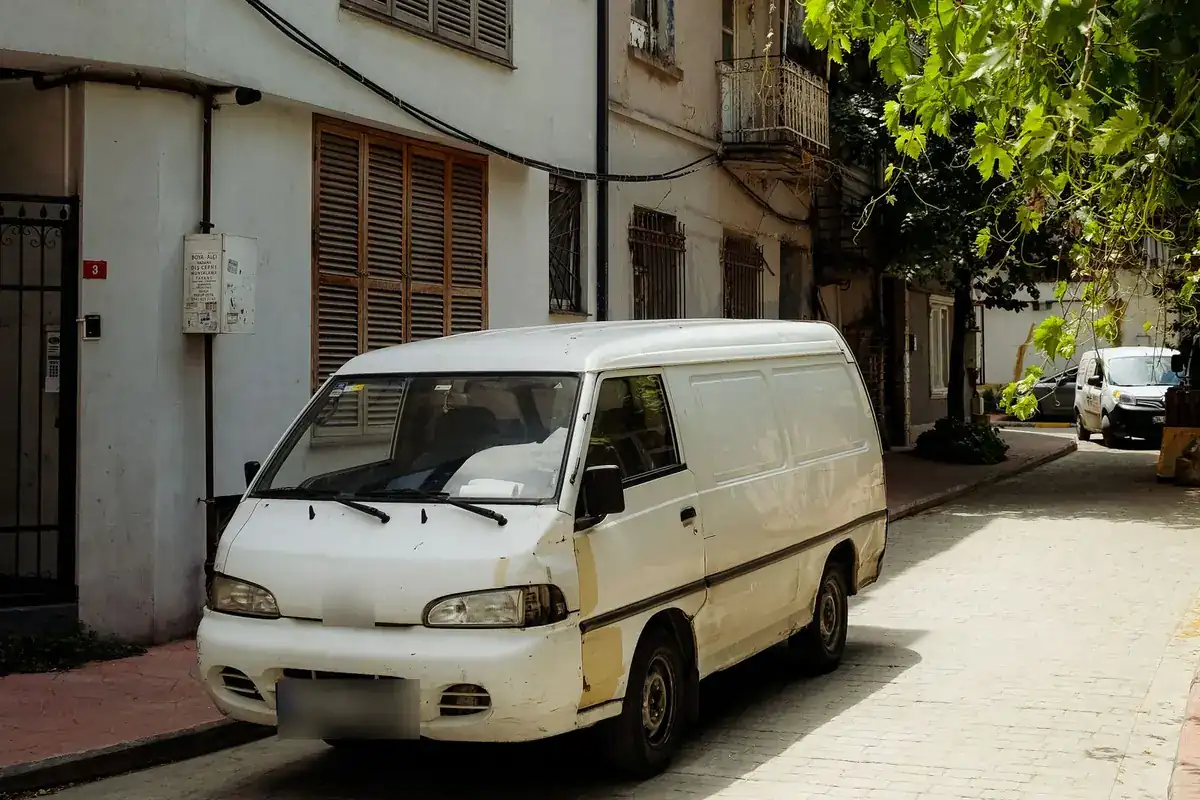
Crews use unmarked vehicles, helping you reduce attention and restrict access around a fleet yard, garage or station.
You can go over the affected areas, cleanable surfaces, possible removals and conditions that could change the scope before work begins.
Organized photographs, item records, waste documents and scope information can help your insurance, safety and fleet contacts move forward.
Sensitive equipment, evidence and removable gear can be identified with your fleet contact before cleaning, movement or disposal decisions are made.
Every situation is different. Specialized cleaning may be needed when contamination cannot be safely resolved through the fleet's routine procedure. A cleanup assessment can address these common conditions:
An infectious exposure may call for detailed cleaning of high-touch points and compatible disinfection based on the vehicle's procedure.
Bodily fluids can reach flooring, the cot area, storage cabinets, wall panels and touched equipment during emergency response.
A careful inspection may be needed across the many restraints, flooring seams and seat positions in vans and transport units.
Biological matter left inside the front or rear cabin after illness, injury, arrest or another event may require attention.
Begin by taking the unit out of regular service and limiting contact with it. The following steps can reduce exposure and retain information that may be important when planning the cleanup:
Call (888) 351-0904Published pricing does not include a specific range for police or ambulance vehicle decontamination. The closest related entry is vehicle biohazard cleanup, priced from $500 to $5,000 per job. Treat this only as a preliminary planning range. Final scope varies with the contaminant, affected cabin materials, spread into concealed areas, equipment concerns, waste needs and all work necessary before return to service can be evaluated.
The figures shown are national ranges from published cost guides and are not based on an on-site visit. The price for your property is set after the on-site assessment, and you hear it before work starts.
Ask about cost: (888) 351-0904The agency, ambulance operator, fleet owner or another organization responsible for the unit usually arranges the work, while payment depends on its internal policy, contract and applicable insurance coverage.
The fleet manager or department can verify who approves service, what purchasing documents are needed and where the vehicle must remain.
Coverage depends on the policy and the cause of the contamination. Because insurance companies may request different records, ask whether cleaning, damaged parts and related downtime are addressed.
Keep the incident reference, photographs, approved scope, item list, invoice and waste records together for the fleet owner or insurance company.
An individual payment, vehicle and infection control process may apply at a hospital, fire department, public agency or privately operated ambulance service.
The cleanup process covers hazard evaluation, removal at the source, careful cleaning and documentation of an inspection at the end. Its steps are tailored to the vehicle's interior design, installed equipment and the material present.
Technicians assess the reported event, inspect the cabin and exterior contact points, and identify visible and possible travel paths.
The unit stays out of service while the work zone is defined and protective equipment is selected for the known hazards.
Materials that cannot be reached completely, including absorbent trim and disposable coverings, may be taken out, documented and packaged.
Disinfection follows removal of visible residue because soil may prevent the product from contacting a compatible surface.
Workers treat compatible, cleanable surfaces with an EPA-registered disinfectant suited to the task and follow its labeled wet contact time.
Compatible fixed equipment, cabinet pulls, rails, door controls and restraints receive attention while sensitive parts are protected from damage.
Waste follows the applicable route after separation and packaging, while photos and work notes are compiled for the fleet file.
The cabin is checked for remaining residue, odor and overlooked contact points before findings are reported to the person responsible for the unit.
Call at any time. Your police and ambulance vehicle decontamination specialist answers the phone, describes what happens next and works with you on a start time.
Blood, some bodily fluids, sharp objects and affected cabin materials can put officers, fleet employees, medical personnel and any other person entering the unit at serious health risk.
Fluid can reach seat stitching, rail channels, cabinet hardware, floor transitions and the space beneath removable trim. Contamination left behind in those locations can escape a wipe of exposed surfaces.
Exposure to blood may involve bloodborne pathogens. The CDC reports possible surface survival of at least seven days for hepatitis B, so dry residue still needs careful cleaning and disinfection.
Needles, lancets, broken glass or sharp equipment can cause punctures. They should not be reached for by hand or mixed with ordinary vehicle trash.
Can you clean it yourself? An established fleet procedure may apply to a small, known spill on a sound, non-porous surface. Follow the procedure with suitable protective gear, and keep the EPA-registered disinfectant wet for the full contact time on its label. When fluid enters equipment, upholstery, seams or floors, or when the source is unknown or sharps are involved, maintain isolation and get professional cleanup guidance.
A component may stay in the vehicle if cleaners can reach its surfaces, the products will not harm it and full cleaning and disinfection are possible. When contamination penetrates absorbent material, removing that material may be necessary.
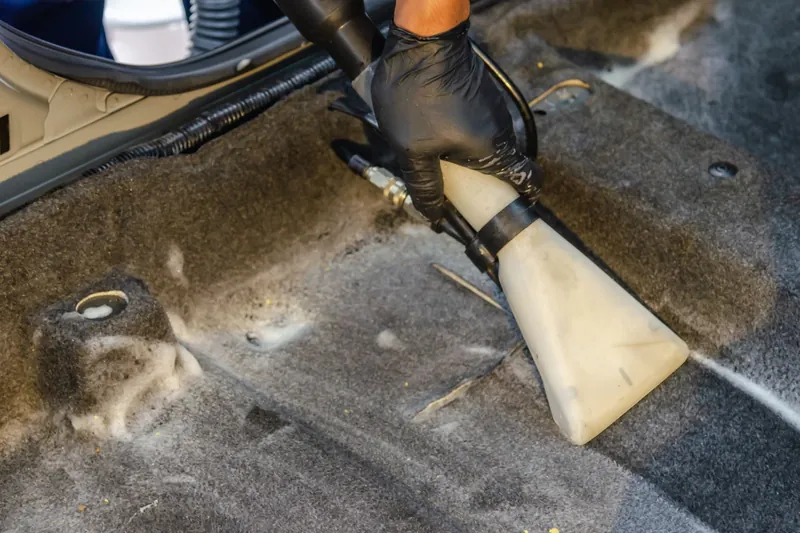
The vehicle must be inspected before anyone can establish its schedule. Work takes less time for a contained event on hard surfaces within reach than for fluid below flooring, around fixed equipment or inside seating.
| Scene | Typical time on site |
|---|---|
| Contained surface contamination | A shorter timeline when the source is identified and every affected area is reachable |
| Upholstery, floor or equipment involvement | A longer timeline when access controls, detailed cleaning, selected removal and waste packaging are required |
| Hidden spread or replacement parts | Expect added time when reassembly depends on opening trim or installing a replacement component |
Odor removal starts with finding and removing the source. Fragrance or a quick surface spray can hide a smell without addressing residue beneath a floor edge, inside seat foam or around equipment mounts. The cabin should be checked methodically because heat and a closed interior can make an overlooked source more noticeable.
Air treatment may be considered for particles or odor left after contaminated items are removed and surface cleaning is complete. HEPA air filtration can assist, but it is not a substitute for taking out the source or disinfecting surfaces. When the incident or resulting odor may have entered the airflow, the assessment should include intake locations, vents and cabin filters that can be replaced. Any technique near vehicle finishes, sensitive electronics or medical devices has to be compatible with them.
The full police and ambulance vehicle decontamination guide covers what is cleaned or removed, odor and air quality work, and the rules that apply in Alabama and Jefferson County.
Read the full police and ambulance vehicle decontamination guidePlanning for access, containment and cleanup can depend on local population, housing and entry conditions.
The approximately 3.7 mile trip to University of Alabama Hospital matters when an injury must be assessed before anyone returns to the affected space.
The location sits near Marks Village, Avondale, and Crestline Gardens, making local landmarks helpful when a property entrance is hard to find.
A cleanup plan for this neighborhood should account for adjacent homes or units when setting odor control and containment boundaries.
During your call, ask whether cleanup is available in surrounding communities and ZIP codes.
Vehicle biohazard cleanup for cars, trucks, boats and RVs.
See vehicle biohazard cleanup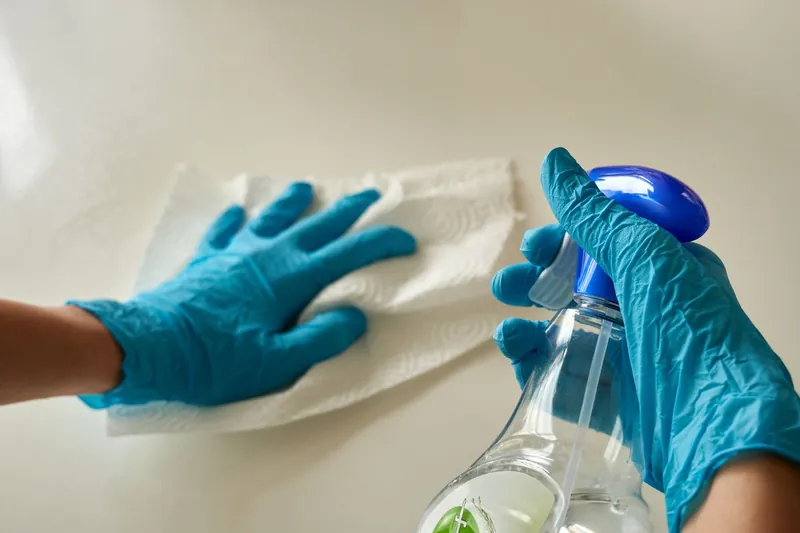
Walls, carpets, furnishings and hard floors receive blood cleanup, with safe disposal afterward.
See blood cleanup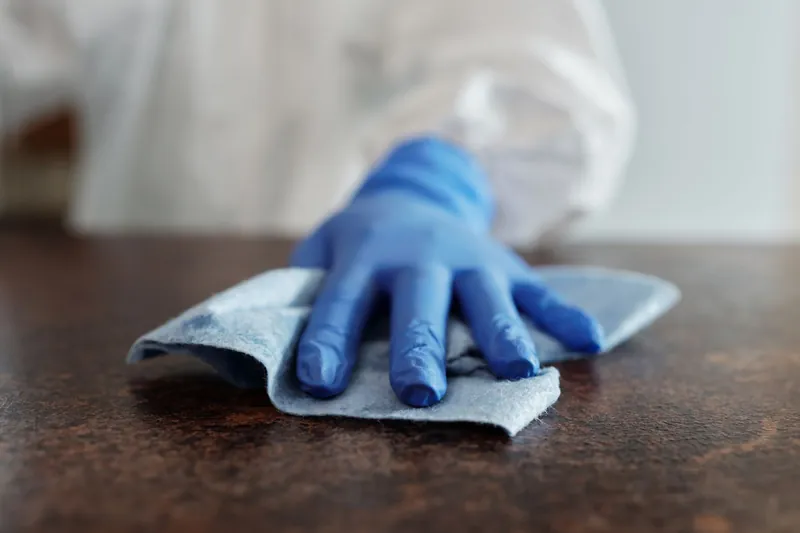
Blood spill cleanup for fresh or dried spills of any size.
See blood spill cleanup
Bodily fluid cleanup removes fluids and disinfects affected areas in businesses, homes and care settings.
See bodily fluid cleanup
Cleanup controls the risk of blood exposure involving HIV, hepatitis C and hepatitis B.
See bloodborne pathogen cleanup
Infectious disease disinfection with EPA-registered products and full surface coverage.
See infectious disease disinfection
Medical waste removal covers disposal through an approved facility used for treatment.
See medical waste removal
Sealed containers with labels hold biohazard waste during collection and disposal.
See biohazard waste disposalThe fleet owner or responsible organization makes the return-to-service decision under its own policy. Cleanup documentation should list addressed locations, removed materials and components still awaiting repair or replacement. A final inspection may look for odor, remaining visible material and overlooked contact areas while the organization's infection control or safety contact assesses vehicle condition and records.
Whether removal is needed depends on complete access and the ability to clean and disinfect a part without harming it. Fluid penetration can require taking out absorbent flooring, fabric, seat foam, single-use covers and compromised trim. Intact, fully accessible affected surfaces on sealed floors, partitions, metal railings and compatible equipment may often be retained.
The department or fleet owner decides who is authorized to perform the work. A small event may fall under an approved occupational exposure procedure. A professional cleanup service may be needed when blood reaches upholstery, restraints, floor seams or concealed spaces, with work that includes protective equipment, methods suited to the vehicle and a documented process for waste. Keep the vehicle out of service until the responsible person evaluates the outcome.
Ordinary detailing is not the same as biohazard cleaning. Although detailing may improve appearance, a detailer might not trace concealed spread, take out absorbent contamination, apply pathogen exposure controls or prepare hazardous waste for disposal. Address the biological hazard before any other detailing. Afterward, cosmetic detailing may be appropriate if no remaining evidence or cleanup control will be disturbed.
The ambulance is removed from service, and the reported exposure guides the assessment. Visible soil is cleaned before compatible surfaces are disinfected. The process can include the cot area, rails, restraints, door controls, cabinet pulls, floors and approved equipment surfaces. Removal may be needed for porous or compromised material. Use the required procedure for every waste item and piece of reusable medical equipment.
Treat dried blood as biohazardous material. The CDC reports that surfaces can support hepatitis B survival for at least seven days. Dry appearance does not make a mark safe for uncontrolled brushing, vacuuming or wiping. Restrict access, follow your exposure procedure and select a cleaning and disinfecting approach appropriate for that vehicle material.
Discreet, respectful police and ambulance vehicle decontamination, 24 hours a day, with crews in unmarked vehicles.