Biohazard Cleanup
Any property receives disinfection after removal of infectious materials, including bodily fluids and blood.
See biohazard cleanupAn unsafe space affected by sewage, blood, bodily fluids or another biological hazard should remain off limits to people. Seek clear next steps right away. Work can start once law enforcement or the responsible officials release the area.
Urgent isolation, removal, cleaning and disinfection make up emergency biohazard cleanup. The work addresses blood, human waste, bodily fluids and other biological contamination that may put people at risk of injury or illness.
Situations leading to this work include accidents, major blood spills, trauma scenes, crime scenes, sewage backups and unattended deaths. First, emergency cleanup limits the spread into areas that are still clean. Cleanup technicians assess the affected space, isolate it and decide how to perform the work in the safest order.
Visible dirt may come off with ordinary cleaning, but biohazard remediation requires more. Workers use protective equipment and carefully remove contaminated material. They clean surfaces, apply an EPA-registered disinfectant for the entire label contact time, package hazardous waste, address odor and complete a final inspection. This work helps the space progress toward clean, normal use.
Crew members travel in unmarked vehicles. The work area can be kept private from neighbors, visitors and unaffected parts of the property.
You can report the event at any hour, receive safety directions right away and have entry, official release and cleanup needs reviewed.
You can use images, project details and waste documentation to describe biohazard remediation to your property manager or insurance company.
The cleanup process starts after you are told what can be cleaned, what could come out and why cost may change.
A serious health risk from biological material, or the chance that it will spread across a workplace, vehicle or home, can make emergency biohazard cleaning necessary. Common circumstances are:
Water from a sewage backup is Category 3 black water. Affected floors, contents and walls may have to be dried, cleaned or taken out.
An accident, suicide or violent event may leave bodily fluids and damaged materials across one or more affected areas.
Human waste, animal waste, sharps or spoiled materials can turn a cluttered property into a biohazard situation.
A delayed death discovery can call for odor treatment, removal of fluids and thoughtful sorting of items in the surrounding area.
Begin by keeping anyone from making contact or carrying contamination elsewhere. Follow these steps as you arrange for professional cleanup:
Call (888) 351-0904Emergency work has no distinct range in published guides. For biohazard cleanup in general, the guides show a typical national range from $3,000 to $5,000. Residential averages span $1,800 to $4,500; most home projects fall between $2,500 and $8,000. The complete span published by Fixr is $1,500 to $25,000. Final cost can also be affected by urgency.
These ranges come from published national cost guides, not from a site visit. You learn what your property will cost after the on-site assessment and before any work begins.
Ask about cost: (888) 351-0904Biohazard cleanup may be covered by certain homeowners, commercial or renters policies after a sudden event that qualifies for coverage. The policy terms, cause, deductible and limits determine whether coverage applies.
Save your scene release, claim identifier, photographs, work scope, bills and documentation for waste. Ask what documentation the adjuster requires before work changes the scene.
Tenants should inform their landlord or the property's manager. The cause and place of contamination, along with lease and policy terms, can determine responsibility.
Explain the event to the insurance company, then ask if the claim includes cleanup, material removal, odor work and later restoration.
Victims of violent crime can ask the Alabama Crime Victims Compensation Commission, which lists crime scene cleanup among its expense categories, whether cleanup costs can be included in a compensation claim. Insurance is usually checked first.
Emergency response work is ordered carefully to limit movement of contaminated material toward clean spaces. The circumstances vary in every case, while the usual cleanup process contains these steps:
Cleanup technicians determine contamination type and map the affected area, then record materials, access restrictions and urgent safety issues.
The work zone is separated from clean rooms. Protective clothing and equipment are selected for the exposure and tasks.
Fluids and contaminated debris are collected without spreading them. Materials that cannot be fully cleaned are removed in controlled sections.
Disinfection starts after visible debris is removed. Removing debris allows disinfectant to contact the actual surface rather than rest on material above it.
For cleanable areas, crews use an EPA-registered disinfectant and maintain surface wetness throughout the labeled contact time.
Contaminated materials and sharps are sealed in suitable containers and moved according to medical or regulated waste requirements.
Once source material is gone, suitable treatments such as air scrubbers can address particles and odor within the space and connected air routes.
A final check looks for contamination left in the work space. For property owners, communication with insurance companies may be supported by waste documentation, work notes and photographs.
You can call anytime. Your emergency 24/7 biohazard cleanup specialist answers the phone, describes what happens next and works with you on a start time.
Serious health risks can come from sewage, sharps, blood and body fluids, regardless of whether the area seems dry or limited in size.
You may feel upset by a sudden biohazard, especially after someone dies or a traumatic event occurs. A person you trust can coordinate access so you do not have to be near the scene.
Blood may carry hepatitis B, hepatitis C or HIV. Dried blood needs cautious handling because, according to the CDC, hepatitis B may live on surfaces for at least seven days.
Fluid can seep below trim and penetrate absorbent materials such as carpeting, underlay, drywall, furniture or subflooring. Cleaning only what you see might leave contamination underneath.
Can you clean it yourself? Cleaning a few drops of fresh blood from non-porous, hard material may be possible with single-use gloves and disinfectant registered by the EPA, applied for the full labeled contact time. Seek professional cleanup when the source is unknown, the spill reached porous material, sharps are present or you cannot see its full boundary.
Reachable surfaces remain in place if they can be completely cleaned and disinfected. When contamination penetrates porous material too deeply for effective cleaning, that material is taken out.
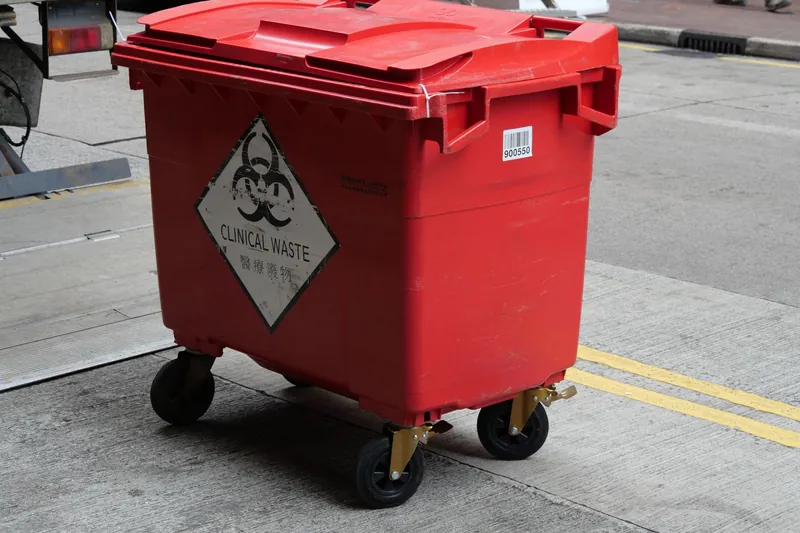
A fixed completion time cannot be given for this cleanup. Timing depends on what contaminated the space, how many areas it reached and the affected materials. The schedule also reflects whether fluid entered concealed layers and when the scene becomes released.
| Scene | Typical time on site |
|---|---|
| Limited affected area on a hard surface | Completion may take one work period once the assessment is finished |
| Porous materials removed from a single room | Several work stages might be needed to remove materials, clean and inspect |
| Odor, damage to structural materials or several involved spaces | May take several work sessions before the restoration phase can begin |
Finding the contaminated source and taking it out is the starting point for odor removal. Surface sprays or fragrance will not resolve fluid beneath floors, within furniture or behind walls. Before treating the air, those affected materials must either be removed or cleaned.
While an area is under control, HEPA air scrubbers can remove particles from the air. Suitable spaces that remain occupied may allow hydroxyl treatment, but ozone calls for a vacant controlled area and cautious reentry. Choosing a method requires looking at the contamination source, air routes and impacted materials. HVAC openings also need checking if odor might have traveled to adjacent areas.
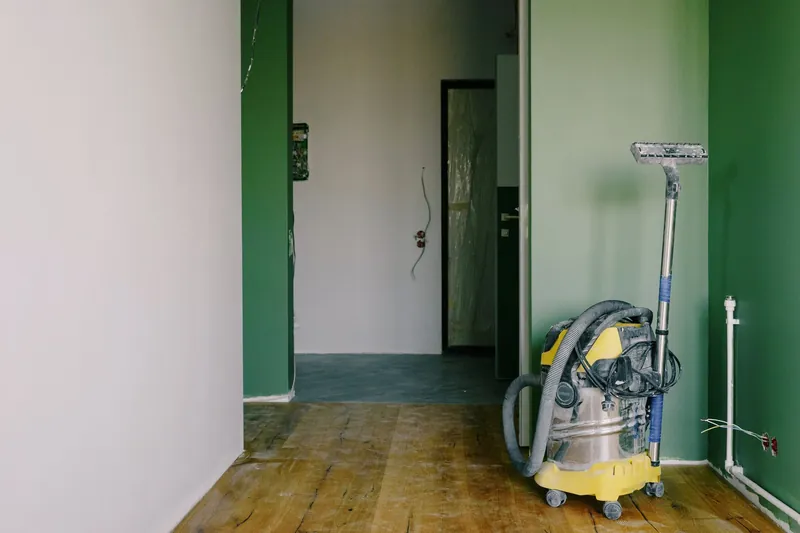
The full emergency 24/7 biohazard cleanup guide covers what is cleaned or removed, odor and air quality work, and the rules that apply in Alabama.
Read the full emergency 24/7 biohazard cleanup guideContainment, entry and cleanup plans can be influenced by local housing, population and access details.
The nearest listed emergency facility is University of Alabama Hospital, about 0.6 miles away, so medical care remains separate from property cleanup.
With Automotive Historic District, Fourth Avenue Historic District, and Highland Avenue Historic District close by, accurate street and unit details help avoid confusion during a sensitive response.
In Morris Avenue-First Avenue North Historic District, identifying the correct building entrance can reduce unnecessary movement through shared spaces during a sensitive cleanup.
Ask on the call about cleanup options for neighboring communities and ZIP codes.
Any property receives disinfection after removal of infectious materials, including bodily fluids and blood.
See biohazard cleanup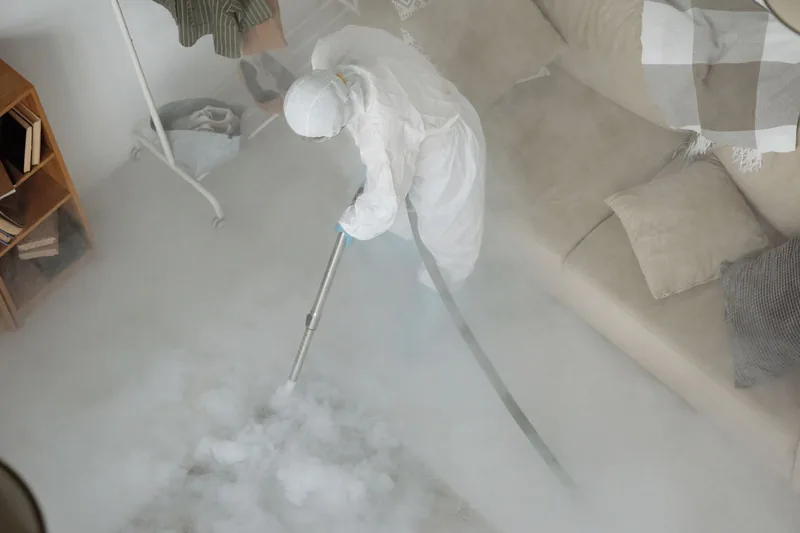
Complete decontamination treats the room, its surfaces and the air after a hazardous or infectious exposure.
See biohazard decontamination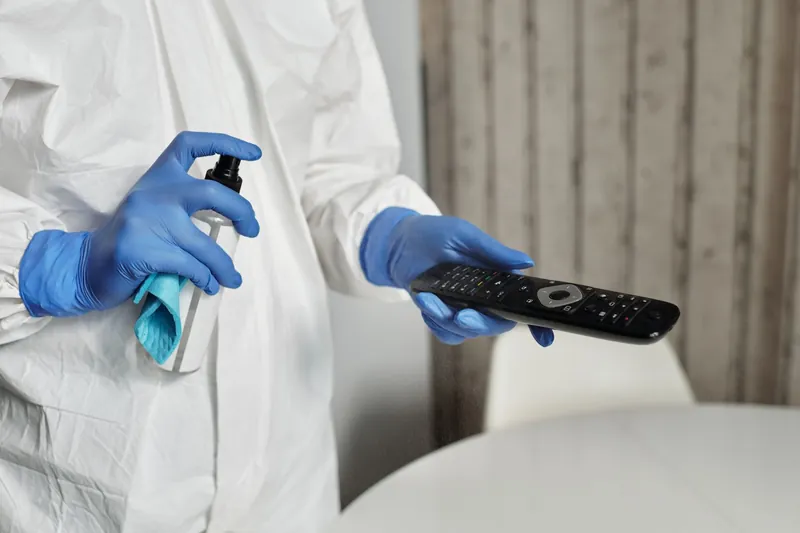
A contaminated space is restored to safe use through biological remediation and contaminant removal.
See biohazard remediation
Walls, carpets, furnishings and hard floors receive blood cleanup, with safe disposal afterward.
See blood cleanup
Following accidents, violence or injuries, trauma scene cleanup addresses the affected area.
See trauma scene cleanup
Crime scene cleaning begins after police release and covers blood, odor and the affected property.
See crime scene cleanup
Decomposition cleanup and odor control are needed after a death goes unnoticed for several days.
See unattended death cleanup
Disinfection and drying follow sewage cleanup of Category 3 black water from raw sewage.
See raw sewage cleanupEmergency work does not have its own range in published guides. General biohazard guides list $3,000 to $5,000 as a typical national range and $1,800 to $4,500 as a residential average range. Urgency, waste disposal, porous items, affected area size and contamination type can each influence the total price.
Leave the spill area and restrict entry, calling 911 when medical assistance is needed. Avoid contact with blood and sharp objects, do not reenter a controlled scene before law enforcement releases it, use the correct workplace exposure channel and organize cleanup. Do not enter the affected area on foot or begin cleaning it yourself.
Cleaning the property is not performed by police, the medical examiner or emergency personnel after they finish their roles. After authorities release the area, death cleanup is arranged by the owner, relatives, landlord or another responsible person. A professional cleanup team can remove contamination, disinfect surfaces, treat odor and document the work.
Yes, potential infection risks still require careful handling of dried blood. At least seven days of surface survival is possible for hepatitis B, according to the CDC. Scraping, vacuuming and sweeping should be avoided to keep material from spreading. For contamination beyond one small surface mark, keep people back and seek proper cleaning.
It can. The event's cause and the policy's wording, limits, exclusions and deductible affect coverage. Ask your insurance company about biohazard cleanup, removing materials, odor treatment and restoration. Retain your claim number along with photos, official release, project details, invoices and disposal records.
When blood, sewage, bodily fluids, human waste or another biological contaminant impacts a property, emergency biohazard cleanup means urgent cleaning and disinfection. The work includes containment, removal of materials that cannot be cleaned, disinfection, waste disposal and odor treatment. Before work begins, police or another authority must release any controlled scene.
Discreet, respectful emergency 24/7 biohazard cleanup, 24 hours a day, with crews in unmarked vehicles.