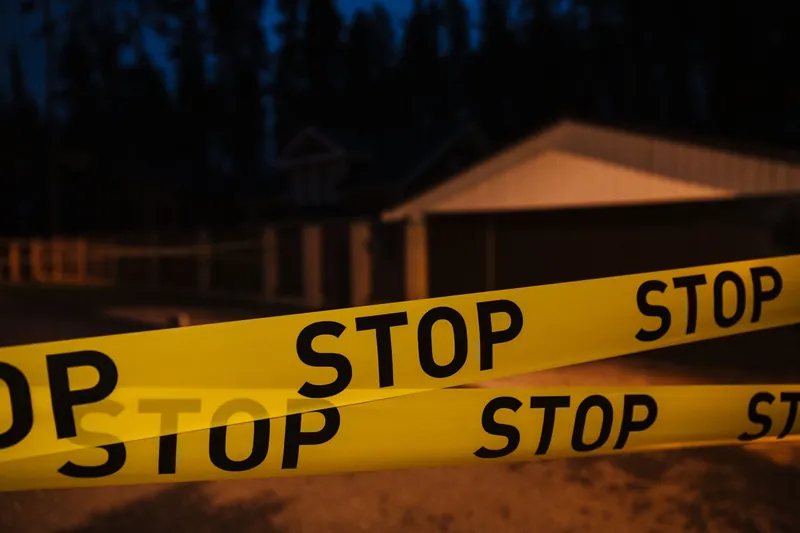
Crime Scene Cleanup
Crime scene cleaning begins after police release and covers blood, odor and the affected property.
See crime scene cleanupGet private suicide cleanup for blood, bodily fluids, affected materials and odor in a home, rental, workplace or vehicle in Gardendale. You do not have to enter or clean the scene yourself.

Suicide cleanup is a private biohazard cleanup service that removes blood, bodily fluids and materials that cannot be safely cleaned, then disinfects the affected area and treats odor at its source.
Before cleanup begins, the medical examiner or coroner must finish, as must law enforcement, and the scene must be released. They leave property cleaning to the family, owner or other person responsible for arranging it. Suicide scene cleanup may be needed in many settings, including vehicles, workplaces, hotel rooms, apartments and homes.
Trained technicians follow a controlled cleaning method while wearing protective equipment. Their work includes checking surrounding surfaces, disinfecting items that can be saved and removing porous materials that have absorbed contamination. They prepare hazardous waste for proper disposal. Careful sorting is used for personal property, and whenever possible, you are included in decisions about meaningful belongings.
If immediate danger may affect you or another person, contact emergency services. You can seek emotional support throughout the United States through a call or text to the 988 Suicide and Crisis Lifeline. Wait to arrange cleanup until everyone is safe and law enforcement releases the scene.
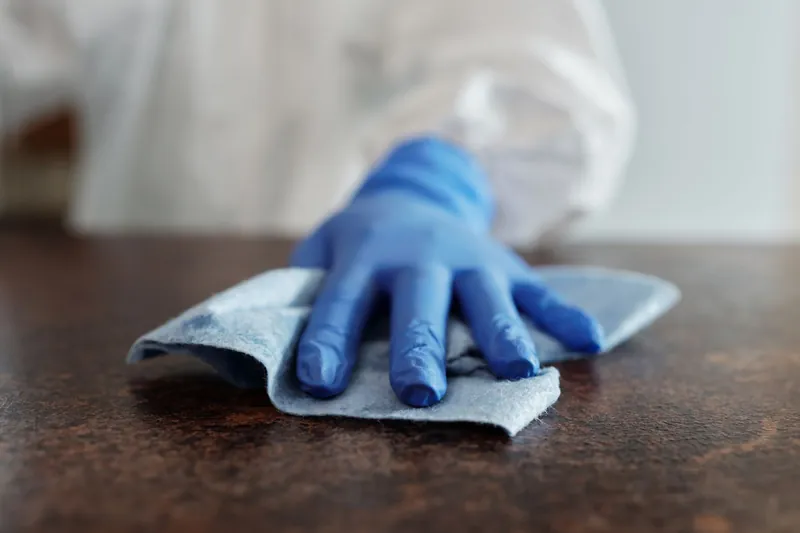
Your input guides careful decisions about keepsakes, photographs, documents and other belongings when a meaningful item might require removal.
An explanation of necessary cleaning, possible removal and cost factors can help you decide how to move forward.
Calls may receive an answer regardless of the hour. To support your privacy, crews can reach workplaces, homes and rentals using unmarked vehicles.
Records of items, disposal documents, photos and scope details can be arranged for the property manager or insurance company.
Remaining blood or bodily fluids can require suicide cleaning services once authorities release the property. The scene itself, materials involved and reach of the contamination shape the scope of cleaning needed.
Cleaning may be necessary inside the affected unit, and adjoining spaces, stairs or common halls are examined only if contamination could have spread there.
Documents, photographs and keepsakes may be sorted away from contaminated items so you can discuss anything meaningful before removal.
Hotels, shops, workplaces and managed properties may require cleanup space controls and cooperation from building management.
Cleaning can cover the bedroom, bathroom, living area or another private space, plus nearby belongings and halls that may have been affected.
Your first priority is safety. You can protect yourself, preserve the scene and start an insurance claim without entering the affected area.
Call (888) 351-0904Published guides place suicide and related biohazard cleanup between $1,500 and $15,000. A cost guide specifically for suicide cleanup shows $1,500 to $5,500. Broader guides covering biohazard and crime scenes set higher ranges for work that is more involved. Cost varies based on which surfaces were affected, necessary material removal, treatment for odor and disposal of waste. These amounts are planning ranges and are not a quote.
These national ranges are taken from published cost guides, rather than a property visit. An on-site assessment determines your property's price, which is explained to you before the cleanup starts.
Ask about cost: (888) 351-0904Insurance for a home, rental or commercial property may cover suicide cleanup. Whether it does, what records are needed and which deductible applies depend on the loss and policy.
Confirm what the insurance company expects for photographs, waste paperwork, item lists and billing records. Your family can remain outside the affected area while scene photos are created.
Ask whether the policy covers biohazard cleanup, death cleanup, damaged building materials and personal property. Write down your adjuster's contact details and the claim number.
Homeowners or renters insurance, the estate or the property owner usually pays for this kind of cleanup. The Alabama crime victim compensation program helps only when a crime caused the loss. Check directly with the program about deadlines, documentation, eligibility and eligible expenses before counting on payment.
The family, tenant and owner of the property should examine applicable policies and the lease. The individual responsible for the property normally authorizes the cleanup and arranges entry.
The suicide cleanup process moves from assessment and containment to removal, disinfection, odor treatment and documentation. Every step is adjusted to the actual materials and affected areas.
Cleanup technicians first check that the scene is released, evaluate the affected and surrounding areas, identify surfaces and document the work needed.
Technicians isolate the work zone from unaffected rooms and wear gloves, protective garments and other equipment appropriate for exposure to bloodborne pathogens.
Porous material, including carpet, padding, upholstery and drywall, must be taken out if it absorbed contamination and complete disinfection is impossible.
Technicians clean each hard surface, apply an EPA-registered disinfectant and maintain wetness for all of the contact time listed on the label.
Sorting identifies what is cleanable, what needs removal and what may matter personally enough for you to make the choice.
First, remove what causes the odor. Air filtration and other odor treatment may then be used based on the room, building and remaining materials.
Suitable containers hold removed biohazard waste before it moves through required medical waste or hazardous waste disposal procedures.
The cleaned area is reviewed, records are organized for the insurance claim and any removed flooring, wall material or fixtures can be scheduled for replacement.
Call any hour. A specialist in suicide cleanup takes your call, explains each step and agrees on a start time with you.
Bloodborne pathogen exposure is possible around blood and bodily fluids, while contamination may reach hidden spaces beneath or behind visible materials.
Blood may carry HIV, hepatitis C and hepatitis B. Hepatitis B can live on surfaces for at least seven days, the CDC says, so dried material must still receive careful treatment.
Absorbent materials that cannot be disinfected need to be sealed, labeled, transported and treated under the medical waste rules that apply in the state.
Fluids may spread into baseboards, floor seams, carpet pad, wall cavities and the subfloor. Cleaning only what is visible can leave affected material below the surface.
Can you clean it yourself? A few fresh drops on a hard, non-porous surface may be cleaned with disposable gloves and an EPA-registered disinfectant used for its full label contact time. Choose professional biohazard cleanup if fluids reached unfinished wood, drywall, carpet or fabric, or you cannot identify every edge of the affected area.
Cleanup time depends on how large the affected area is, which materials are involved and whether hidden layers were reached. Work limited to hard surfaces usually takes less time than a scene where flooring, drywall or numerous personal belongings must be removed.
| Scene | Typical time on site |
|---|---|
| Limited hard-surface cleanup | Less time when affected material remained on reachable sealed surfaces |
| One room with porous materials | More time if walls, furniture, carpet or padding require removal |
| Several areas or hidden contamination | The most time when inspection, structural removal and odor treatment involve multiple spaces |
The source must be located and removed before odor can be addressed. Fragrance is not disinfection and cannot clean either bodily fluids or porous materials with contamination.
Once affected material has been removed or cleaned, HEPA air scrubbers may be used to filter particles from the air. Treatments for remaining surfaces and the unoccupied space can also be chosen. When moving air could have taken odor outside the original room, adjoining areas and vents are checked.
The OSHA Bloodborne Pathogens Standard, 29 CFR 1910.1030, governs worker training, practices and protective equipment for potential blood exposure.
A disinfectant used for blood should be EPA-registered for the intended use and remain on the surface for the complete contact time on its label.
Alabama treats soaked materials from a biohazard scene as medical waste when they are saturated to the point of dripping blood. The Alabama Department of Environmental Management's rules control packing, transport and treatment, so it cannot go in household trash. The work plan should account for required packaging, transportation and treatment of contaminated materials.
Alabama uses a county coroner system, with no statewide medical examiner, and the Alabama Department of Forensic Sciences performs autopsies and supports death investigations for coroners. Cleanup starts after police or the coroner release the scene. Cleaning should not begin until the investigating authority confirms that the scene has been released.
The full suicide cleanup guide covers what is cleaned or removed, odor and air quality work, and the rules that apply in Alabama and Jefferson County.
Read the full suicide cleanup guide
Local population patterns, housing and site access may affect how containment and cleanup are planned.
Because renter occupancy is 21.8%, cleanup discussions often can focus on the household without a separate property manager involved.
The local median home dates to 1988, making a room by room material assessment more useful than one cleaning method everywhere.
The 884 seniors living alone may need support from relatives or trusted contacts when a cleanup decision follows a medical emergency.
Because 77.3% of local housing is single-family, owners often can make direct decisions about removing affected structural materials.
During your call, ask whether cleanup is available in surrounding communities and ZIP codes.
Crime scene cleaning begins after police release and covers blood, odor and the affected property.
See crime scene cleanup
Following accidents, violence or injuries, trauma scene cleanup addresses the affected area.
See trauma scene cleanup
Blood cleanup on carpet, hard floors, walls and furniture with safe disposal.
See blood cleanup
Fluids, odor and impacted belongings are addressed when a home is cleaned after a death.
See death cleanup
Cleanup after a death that was found quickly, with care for the family home.
See attended death cleanup
At the source, death odor removal uses air scrubbers plus hydroxyl and ozone treatment.
See death odor removal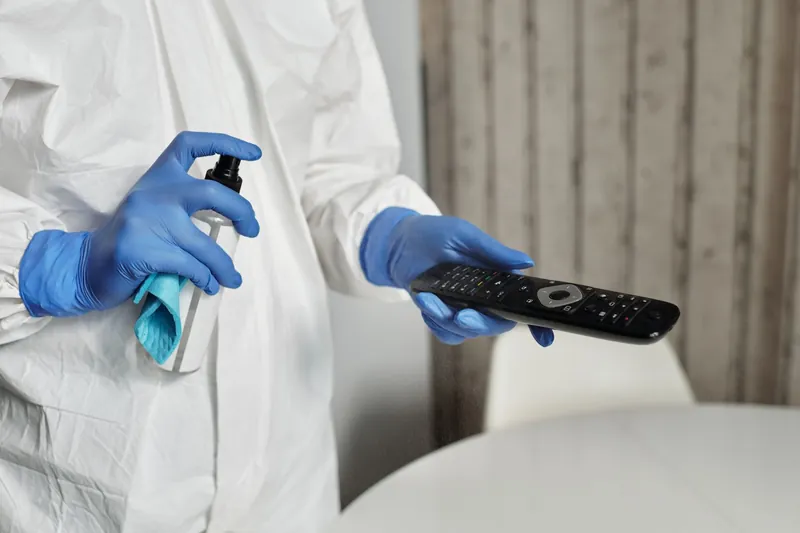
A contaminated space is restored to safe use through biological remediation and contaminant removal.
See biohazard remediation
Medical waste removal covers disposal through an approved facility used for treatment.
See medical waste removalOne published suicide cleanup range is $1,500 to $5,500. Broader biohazard and crime scene cost guides show ranges as high as $15,000 for more involved work. Surface types, contamination that was absorbed, required odor work, materials taken out and waste disposal all affect cost. An assessment establishes the specific scope and cost.
Timing is shaped by the number of affected spaces, the materials that soaked up contamination and any need to remove wall material or flooring. A contained hard-surface area often takes less time than a scene with several rooms, hidden layers, numerous possessions or extensive odor work. The assessment should explain the expected sequence.
You should not enter a scene with widespread blood, bodily fluids or contamination in porous materials. Serious health risks can result from hidden contamination and bloodborne pathogens, while common cleaning equipment may spread affected material. A few drops on a sealed hard surface are different, but larger or unclear areas call for professional biohazard cleanup.
Law enforcement and the medical examiner or coroner complete the investigation, but they do not clean the property. After release, the family, owner, landlord or property manager can arrange a suicide cleanup company. Trained technicians clean and disinfect the affected area, remove materials that cannot be treated and prepare contaminated waste for proper disposal.
No. Police secure and investigate the scene, and the medical examiner or coroner completes the work required by the case. They release the property when that work is finished. Cleanup is then arranged by the family, property owner, landlord or another authorized person. No cleanup should start until release is confirmed.
Homeowners insurance sometimes covers death cleanup or biohazard work, though coverage varies by policy and loss. Tell the insurance company about the event and check requirements for records, the deductible, damaged structural materials and personal property. File the claim number and adjuster details alongside the cleanup records.
You can request respectful, discreet suicide cleanup 24 hours a day, and crews use unmarked vehicles.